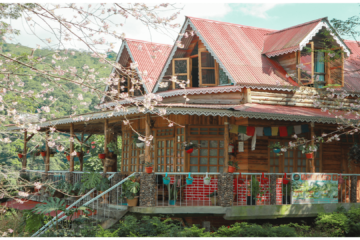
“Kirati Khim is a homestay in Tabakoshi. In this article, you will learn detailed information about the homestay and the village of Tabakoshi.”
Why named as kirati khim?
The name kirati khim was chosen because ‘Kirati’ refers to a group of people belonging to the Kiranti tribe, and the word ‘Khim’ means ‘home’ in the Kirati language. When combined, the name means ‘the home of the Kirat people.
Location
It is located in the foothills of Darjeeling, in the village of Tabakoshi, which is about 5 km from the main market of Mirik, at an altitude of 3,800 feet above sea level.
The homestay is surrounded by famous tea gardens that produce some of the finest tea in the world. It is also located beside a scenic hilly rivulet.
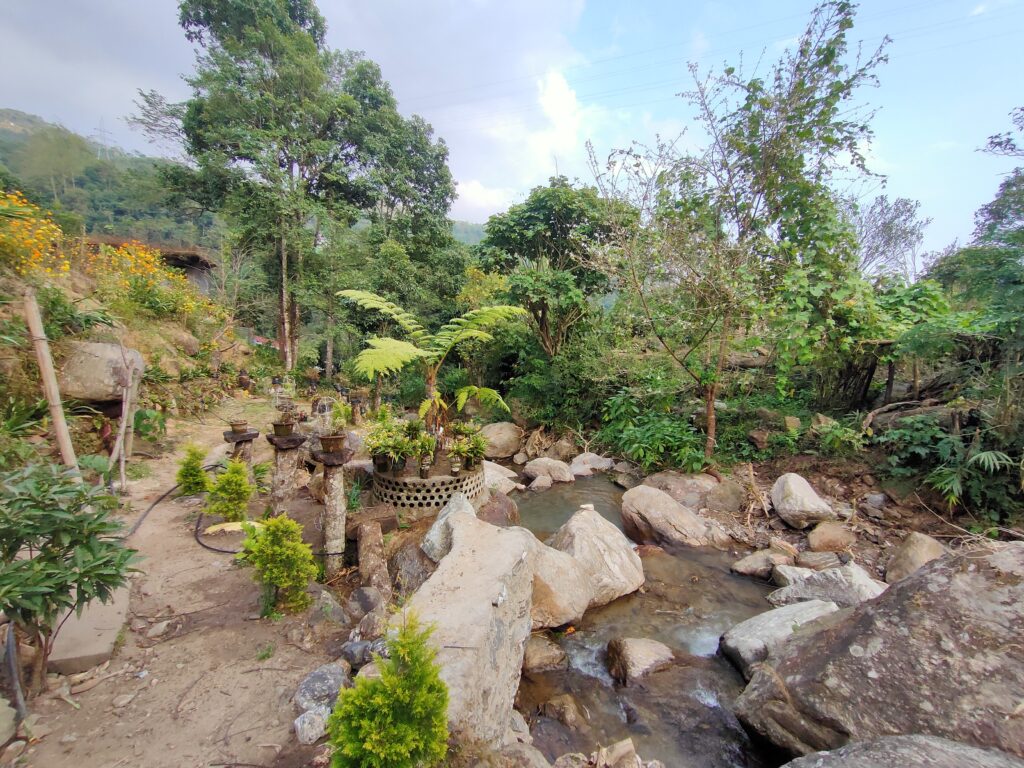
The best part of the kirati khim is its peaceful location, set at a distance from the main Tabakoshi village, which provides a quiet and serene environment within the homestay premises. If you are looking to reconnect with Mother Nature, we highly recommend staying at Kirati Khim at least once to explore and experience the wilderness of nature.
The homestay also features a riverside garden, as shown in the picture above, beautifully decorated with a variety of plants. The garden includes seasonal flowers, trees such as cherry blossoms and orange trees, orchids, and different varieties of pine.
As mentioned earlier, our homestay is located on the riverbank, where you can hear the soothing sound of the flowing river and enjoy a cool breeze during the summer season.
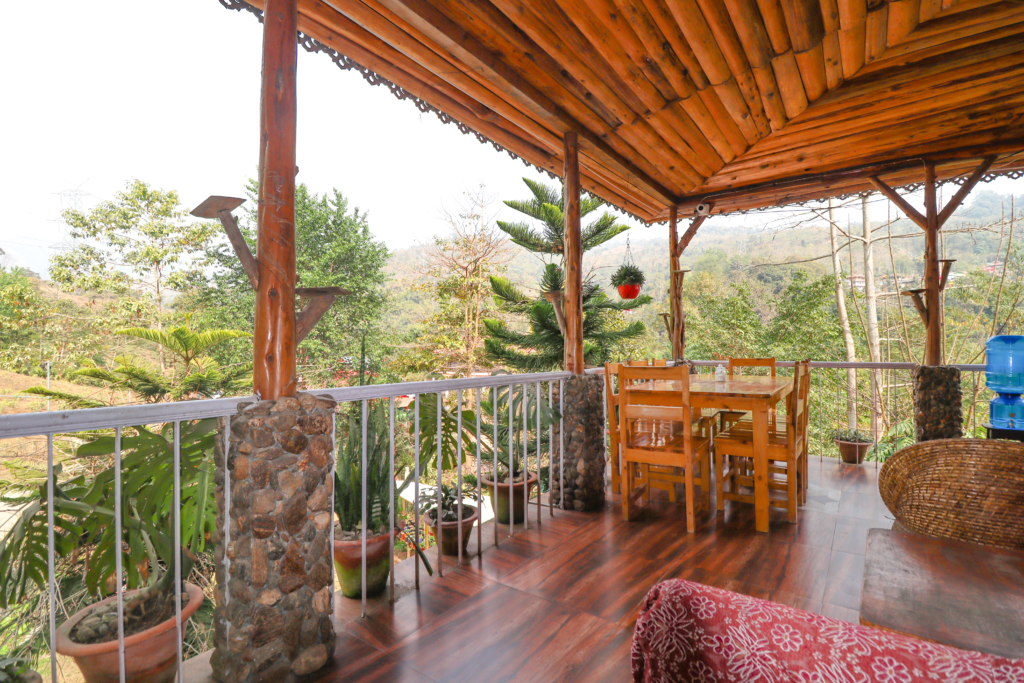
From the veranda, you can enjoy scenic views of the surrounding tea gardens, orange gardens, the river, and the nearby village, with the majestic hills forming a stunning backdrop.
In the evening, kirati khim also provides a Bonfire bonfire with chicken BBQ within the homestay premises, on request. The bonfire usually starts from 5:30 pm to 7:30 pm. We also provide a musical instrument such as a guitar for guests who wish to play music and sing songs while enjoying the warmth of the bonfire.
History of Tabakoshi
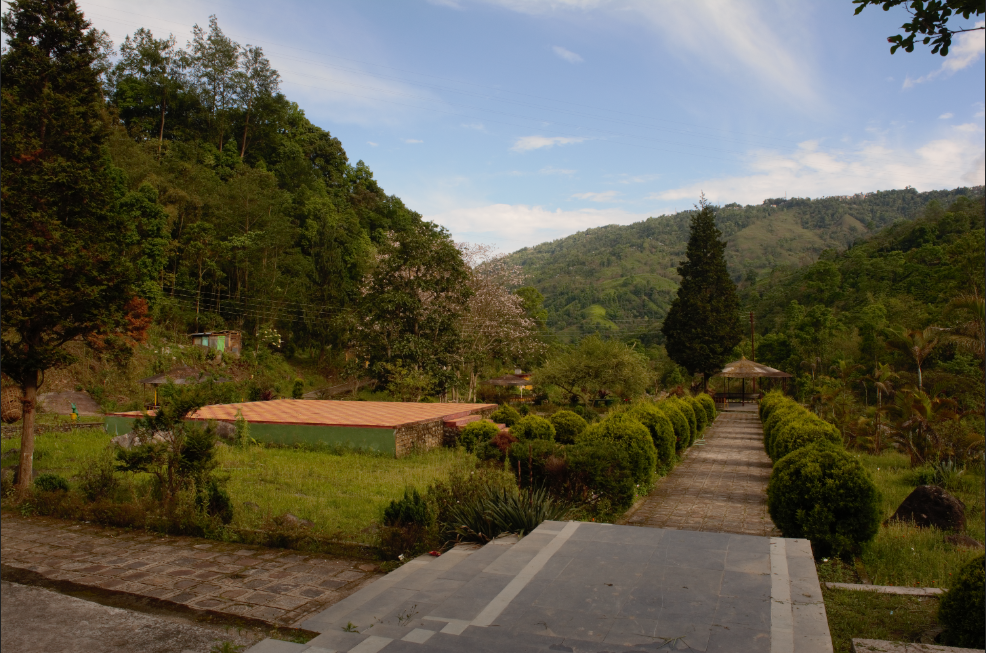
As mentioned earlier, Tabakoshi has appeared several times in this article. Now, let us explore this beautiful offbeat destination located near Mirik Bazaar in more detail.
To understand Tabakoshi better, we need to go back to the year 1989. Before this period, Tabakoshi was an unknown place for travelers due to poor transportation facilities and limited development. However, the late chairperson of the Gorkha National Liberation Front (GNLF), Sri Subhash Ghising, recognized the tourism potential of this region.
On 2nd December 1989, late Sri Subhash Ghising laid the foundation stone of Tabakoshi tourism and officially named the place Tabakoshi. In the Nepali language, “Taba” means copper, and “Koshi” means mountain river.
During the monsoon season, Rangbhang Khola, the main river of Tabakoshi, carries heavy mud and turns a reddish-brown color. From a distance, the river resembles copper, which explains the origin of the name Tabakoshi.
After 17th December 1989, several development projects were initiated, including Tabakoshi Park and two Hindu temples, to attract tourists. One of the most important projects was the construction of the Tabakoshi Iron Bridge, which today plays a vital role in connecting two valleys and serves as a major transportation route.
Tabakoshi lies almost midway between Siliguri and Darjeeling (the Queen of Hills) and is approximately a two-hour drive from either side.
Although tourism development remained slow for nearly two decades, Tabakoshi began gaining popularity as an offbeat destination in 2014. Since then, local residents have developed homestays offering comfortable accommodation and organic homemade food. Each year, the number of visitors and homestays continues to grow steadily.
Climate
- Spring (February to April):
- Maximum temperature ranges between 15°C and 18°C.
- Summer (Mid-May to June):
- Maximum temperature ranges between 23°C and 26°C.
- Monsoon (June to Mid-August):
- Maximum temperature ranges between 17°C and 20°C.
- Winter (November to January):
- Maximum temperature ranges between 2°C and 5°C.
How to reach:
By Air:
The nearest airport to Tabakoshi is Bagdogra Airport, located approximately 50 km away. The road journey from the airport takes around 1 hour 45 minutes via Mirik.
By Train:
The nearest railway station is New Jalpaiguri (NJP), about 58 km from Tabakoshi. It takes roughly 2 hours to reach Tabakoshi by road via Mirik.
By Road:
Tabakoshi is located approximately 46 km from Siliguri via Mirik. Private taxis are easily available on both regular and shared bases from Siliguri, NJP, and Bagdogra, making road travel the most convenient option.
Sightseeing in Tabakoshi
Tabakoshi is a small hemlet but you’ll need to have at least one full day to expoler properly. Let us see more in detail below 😉
Tabakoshi park – Just beside the river Rangbhang you’ve the parkland with lush garden which consists of seasonal flowers, flowering trees, pines and cypress. It is surrounded by the green vegetation of tea garden, hills and rivers.

Temples
Along the riverside, there are temples dedicated to the Hindu gods Lord Shiva and Lord Vishnu. Visitors come here not only to worship but also to enjoy the scenic surroundings filled with lush green vegetation. Notably, this is the only Lord Vishnu temple in the entire Darjeeling district.
Tea Gardens
Tabakoshi is part of the Gopal Dhara Tea Garden and is surrounded by several renowned tea estates of Darjeeling. During the tea harvesting season, which runs from May to September, visitors can witness tea plucking while walking along the scenic tea garden trails.
River Rangbhang Hiking
The mountain river flowing through Tabakoshi is known as Rangbhang. Travelers can enjoy a short trek through the river valley, which takes about half a day to reach the river’s origin near Achalal Busti, the village after which the river is named.
Public Swimming Pool
Tabakoshi Park features a large public swimming pool where both locals and tourists come together to enjoy and cool off during the summer season.

Village Tour
The villagers of Tabakoshi practice organic farming, and visitors can take a village tour to see how traditional organic farming is done. Large-scale farming of oranges, ginger, and cardamom is common in the area. Most green vegetables are also grown on individual household plots.
When to Visit Tabakoshi
Tabakoshi can be visited throughout the year, as its location and altitude are comparatively lower than many other regions of Darjeeling.
However, the peak tourist seasons are from mid-March to June (spring) and October to November (autumn). During these months, the weather remains pleasant with bright blue skies and clear scenic views of lush green vegetation, making it the ideal time to visit.